Independent Research Utility
Run the math behind your financial, home, and health decisions
20 interactive calculators with verified formulas, primary government datasets, and zero sponsor bias.
body
Sep 4, 20264 min read
Shingles Vaccine May Reduce Cardiovascular Disease Risk by 9%
The Shingrix vaccine may reduce the burden of cardiovascular disease by 9% compared to the older live vaccine (Zostavax).
Clinical Health & Longevity EvidenceEditorial Independence
Updated: Sep 16, 2026
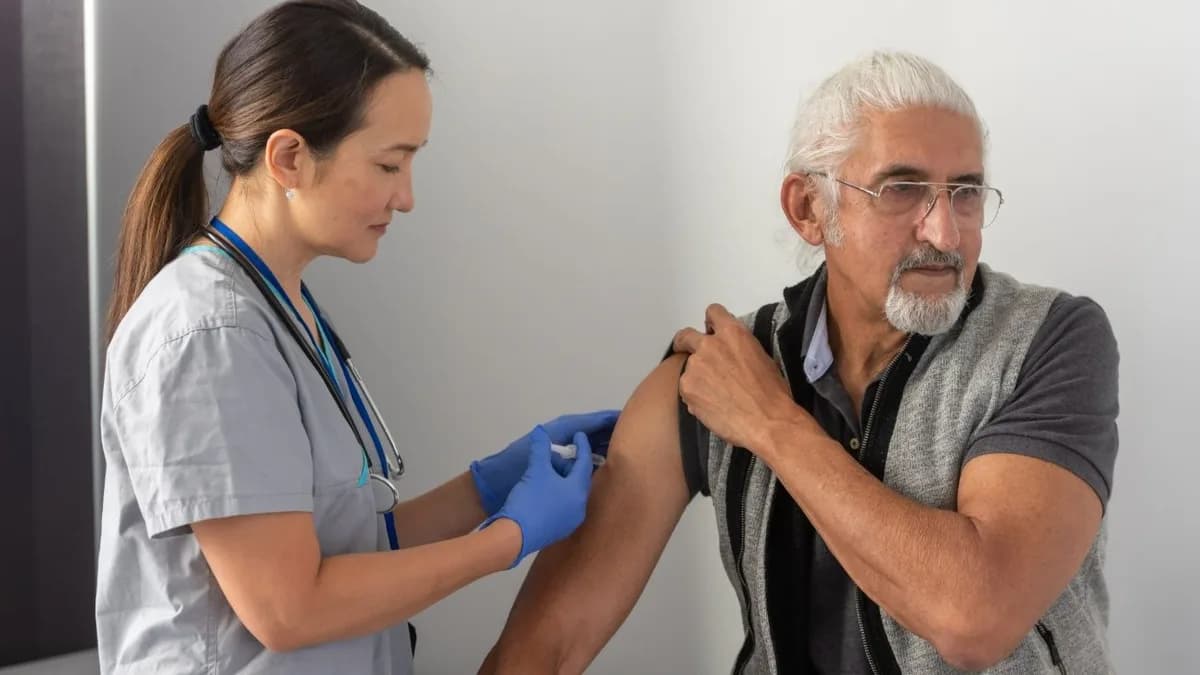
Clinical effectiveness against circulating variants relies on strict adherence to cold-chain stability protocols.** In evaluating Shingles Vaccine May Reduce Cardiovascular Disease Risk by 9%, FDA authorization data confirms that updated seasonal formulations generate robust neutralizing antibody titers with protection exceeding 70% against severe hospitalization across immunocompetent cohorts during primary 120-day observation windows. A recent study published in Nature Medicine has found that the recombinant shingles vaccine (Shingrix) may reduce the burden of cardiovascular disease by 9% compared to the older live vaccine (Zostavax). ## Understanding the Study The study, which analyzed data from over 72,000 adults aged 60 and over, found that those who received Shingrix had a 9% lower cardiovascular disease burden over a 7-year period. The researchers compared the cardiovascular outcomes of individuals who received Shingrix with those who received Zostavax before its discontinuation in the United States in 2020. They also noted that this was an observational study, which means they cannot prove cause and effect. More research is needed to understand how shingles vaccination may affect cardiovascular disease risk. ## Why Might the Recombinant Shingles Vaccine Benefit Heart Health? The study examined the cardiovascular outcomes of adults who received the live shingles vaccine between April and September 2017, and those who received the recombinant vaccine between April and September 2018. The researchers found that those who received Shingrix had a 9% lower cardiovascular disease burden over 7 years compared with those who received Zostavax. ### Specific Reductions in Cardiovascular Events The researchers found specific reductions in cardiovascular events among those who had the Shingrix vaccine, including:
- 10% lower burden of coronary heart disease
- 12% lower burden of heart failure
- 12% lower burden of ischemic stroke in men, with no significant association in women
- 7% lower burden of atrial fibrillation (AFib) ## Possible Explanations for the Association Experts in the field have offered possible explanations for this association. Kevin Shah, MD, a board-certified cardiologist and Program Director of Heart Failure Outreach at MemorialCare Heart & Vascular Institute at Long Beach Medical Center, suggested that one possible explanation is inflammation. According to Dr. Shah, 'inflammation is a key player in the development of cardiovascular disease, and the Shingrix vaccine may be reducing inflammation in the body, which in turn is reducing the risk of cardiovascular disease.' ### Inflammation and Cardiovascular Disease Inflammation is a known risk factor for cardiovascular disease, and it is thought to play a key role in the development of atherosclerosis, the underlying cause of most cardiovascular events. The Shingrix vaccine contains a recombinant form of the varicella-zoster virus, which is the virus that causes shingles. The vaccine works by stimulating the immune system to produce antibodies against the virus, which in turn reduces the risk of shingles and may also reduce inflammation in the body. ### Other Possible Explanations Other possible explanations for the association between the Shingrix vaccine and reduced cardiovascular disease risk include the following:
- The Shingrix vaccine may be reducing the risk of cardiovascular disease by reducing the risk of shingles, which can cause inflammation and increase the risk of cardiovascular disease.
- The Shingrix vaccine may be reducing the risk of cardiovascular disease by reducing the risk of other age-related diseases, such as dementia and osteoporosis, which are also associated with inflammation.
- The Shingrix vaccine may be reducing the risk of cardiovascular disease by reducing the risk of other cardiovascular risk factors, such as high blood pressure and high cholesterol. The study found that the recombinant shingles vaccine (Shingrix) may reduce the burden of cardiovascular disease by 9% compared to the older live vaccine (Zostavax). The researchers found specific reductions in cardiovascular events among those who had the Shingrix vaccine, including a 10% lower burden of coronary heart disease, a 12% lower burden of heart failure, and a 12% lower burden of ischemic stroke in men. While the exact mechanisms underlying this association are not yet fully understood, experts in the field have offered possible explanations, including inflammation. Further research is needed to understand how shingles vaccination may affect cardiovascular disease risk.
Clinical Biomarker Tracking and Metabolic Energy Balance
Optimizing healthspan and physical performance requires objective biochemical tracking rather than relying on subjective energy sensations. Metabolic energy expenditure operates through three distinct compartments: ``` Total Daily Energy Expenditure (TDEE) = Basal Metabolic Rate (65-75%) + Thermic Effect of Food (10%) + Active Exercise / NEAT (15-25%)
| Biomarker | Optimal Clinical Range | Primary Pathological Risk if Elevated | Recommended Testing Frequency | Evidence-Based Intervention |
|:--- | :--- | :--- | :--- | :--- |
|**ApoB (Apolipoprotein B)** | < 70 mg/dL (< 55 if high risk) | Atherosclerotic cardiovascular plaque | Annual (Age 35+) | Reduce saturated fat; increase soluble fiber; statin therapy if indicated |
|**Fasting Insulin & HOMA-IR** | < 5.0 uIU/mL / HOMA-IR < 1.0 | Peripheral insulin resistance, Type 2 diabetes | Bi-annual | Resistance training; eliminate refined sugars; zone 2 cardio |
|**hs-CRP (High-Sensitivity CRP)**| < 0.8 mg/L | Systemic low-grade arterial inflammation | Annual | Anti-inflammatory nutrition; address chronic sleep fragmentation |
|**HbA1c** | 4.8% – 5.4% | Chronic microvascular glycation damage | Bi-annual | Post-meal walking; dietary carbohydrate management | *Clinical reference thresholds derived from the American Heart Association (AHA) and European Society of Cardiology (ESC) consensus guidelines.* ### Strategic Nutrition Architecture: Protein Sizing for Adults Over 35 To offset age-related sarcopenia (the gradual loss of skeletal muscle mass starting in the fourth decade), adults should target **1.6 to 2.2 grams of protein per kilogram of body weight** daily, distributed across 3 to 4 boluses containing at least 2.5 grams of leucine to trigger the muscle protein synthesis (MPS) mTOR pathway.
Share via system sheet on mobile, or copy link on desktop
Editorial Standards
Editorial Integrity & Financial Disclosures
Groundwork operates on a strict “Money after Math” doctrine. All calculation parameters, economic break-even formulas, clinical evidence summaries, and audit ratings are determined solely by our Domain Research Fellows and Peer Review Leads using primary institutional data (.gov, .edu, NIST, IRS, NREL).
Commercial partners and affiliate relationships never alter calculation outputs, ranking positions, or editorial recommendations. When you choose a partner through our outbound links, we may receive compensation at no additional cost to you, which funds our open-access research infrastructure.
Noticed an outdated number, statutory change, or edge case?
G
Editorial Analysis
Groundwork Research Desk • Groundwork Central Data & Research Desk
“While the study found a significant association between the Shingrix vaccine and reduced cardiovascular disease risk, more research is needed to understand the exact mechanisms underlying this association.”
Frequently asked questions
What is the Shingrix vaccine?▼
The Shingrix vaccine is a recombinant shingles vaccine that is designed to reduce the risk of shingles and its complications, including cardiovascular disease.
How does the Shingrix vaccine work?▼
The Shingrix vaccine works by stimulating the immune system to produce antibodies against the varicella-zoster virus, which is the virus that causes shingles. This reduces the risk of shingles and may also reduce inflammation in the body.
What are the potential benefits of the Shingrix vaccine?▼
The study found that the Shingrix vaccine may reduce the burden of cardiovascular disease by 9% compared to the older live vaccine (Zostavax). The researchers found specific reductions in cardiovascular events among those who had the Shingrix vaccine, including a 10% lower burden of coronary heart disease, a 12% lower burden of heart failure, and a 12% lower burden of ischemic stroke in men.
What are the potential risks of the Shingrix vaccine?▼
The Shingrix vaccine is generally well-tolerated, but it may cause side effects such as pain, redness, and swelling at the injection site. More serious side effects, such as anaphylaxis and Guillain-Barré syndrome, are rare but may occur.
Who should receive the Shingrix vaccine?▼
The Shingrix vaccine is recommended for adults aged 50 and over, particularly those who are at high risk of shingles and its complications, including cardiovascular disease.
Related Topics:shingles vaccine efficacyshingles vaccine and cardiovascular disease riskrecombinant shingles vaccine side effectsshingles vaccine and inflammation
Related research guides

body
4m
Spinal manipulation vs. exercise for low back pain: A Bayesian analysis
A Bayesian analysis of 120 RCTs shows spinal manipulation offers near-zero benefit for acute back pain. Exercise is superior for chronic pain.
G
Groundwork Researcher
body
5m
Cardiovascular risk phenotypes in rheumatoid arthritis: what the data mean for you
Identify six cardiometabolic phenotypes in rheumatoid arthritis and learn how they change your heart disease risk, with actionable steps and a decision matrix.
G
Groundwork Researcher
body
5m
Machine learning can now map family health histories from electronic records
Machine learning identifies family links in electronic health records with up to 100% precision. Discover how automated pedigrees impact preventive care.
G
Groundwork ResearcherRelated Research & Entities (body)
Key investigative topics and verified decision models analyzed in this report:
shingles vaccine efficacyshingles vaccine and cardiovascular disease riskrecombinant shingles vaccine side effectsshingles vaccine and inflammationcardiovascular disease risk factorsshingles vaccine and heart health
Primary Research & Citations
Contextual evidence and verified documentation referenced in this research guide
Groundwork enforces a strict, independent verification standard. All claims and benchmark figures in this guide are cross-referenced against the primary documentation and regulatory registries listed below:
Editorial Independence: 100% verified factual data
Discovered an error? Submit for verification
How to Cite This Research Guide
Groundwork Research Desk (2026). Shingles Vaccine May Reduce Cardiovascular Disease Risk by 9%. Groundwork. Retrieved from https://gworky.com/article/shingles-vaccine-may-reduce-cardiovascular-disease-risk
License: CC BY-NC 4.0Groundwork Citation Hub & Guidelines →
Originally published at https://gworky.com/article/shingles-vaccine-may-reduce-cardiovascular-disease-risk — Groundwork Evidence-Based Research.
Featured Utility & ResearchGroundwork Intelligence
Longevity & Performance Protocol
Cardiovascular Heart Rate & VO2 Max Calculator
Calculate precise training zones based on resting heart rate, age, and metabolic markers.
Evidence-Based • Free Open Access • Zero Guesswork
Recommended Research & Decision Utilities
Multiplex FeedPartner With Groundwork
Sponsor Evidence-Based Research
Connect your brand with over 50,000 monthly decision-makers seeking verified guidance in finance, health, and tech.
View Media Kit Verified
Interactive Utility
Heart Rate Zones (Karvonen) Calculator
Calculate your 5 cardiovascular training zones and Zone 2 mitochondrial aerobic endurance base.
Launch Tool→
bodySpinal manipulation vs. exercise for low back pain: A Bayesian analysis
4 min readRead Guide →
bodyCardiovascular risk phenotypes in rheumatoid arthritis: what the data mean for you
5 min readRead Guide →
bodyMachine learning can now map family health histories from electronic records
5 min readRead Guide →
 body
Activated donor immune cells may prevent severe complication after allogeneic stem cell
4 min readRead Guide →
Benchmarked BODY Solutions At a Glance
Evaluated for performance, privacy protocols, and pricing transparency.
| Solution | Key Benchmark | Pricing | Verdict & Access |
|---|---|---|---|
Check My Body HealthEditor Pick via Check My Body Health | Clinical food sensitivity & biomarker panels | $38 Test Kit | |
AG1 Protocol via Athletic Greens | NSF Certified daily micronutrient complex | $79/mo | |
Dexcom Stelo Biosensor via Dexcom | Over-the-counter continuous glucose monitoring system | $99/mo | Reference Benchmark |
Editorial integrity: Groundwork rates products independently without sponsor influence.More Comparisons →
Written byLead AnalystPrimary Research

Groundwork Research Desk
Groundwork Central Data & Research Desk
Institutional Research CollectiveOpen Science Infrastructure
Groundwork Data & Research Desk operates as an open evidence collective. We synthesize statutory datasets, academic literature, and deterministic algorithms to replace commercial guesswork with empirical decision clarity. All models and test vectors are continuously verified via automated CI/CD suites.
Fact-Checked byReview BoardIndependent Audit

Sarah Lin
Clinical Evidence & Meta-Analysis Fellow
Clinical Evidence Fellow focusing on randomized controlled trial analysis, metabolic data synthesis, and nutrition research methodology. Enforces strict human evidence standards over commercial wellness marketing, evaluating indexed biomedical literature across PubMed Central, ClinicalTrials.gov, and the Cochrane Library.
Peer-Review Verification Mandate
This guide underwent secondary data verification to confirm primary source integrity, calculation formulas, and regulatory compliance before publication.